

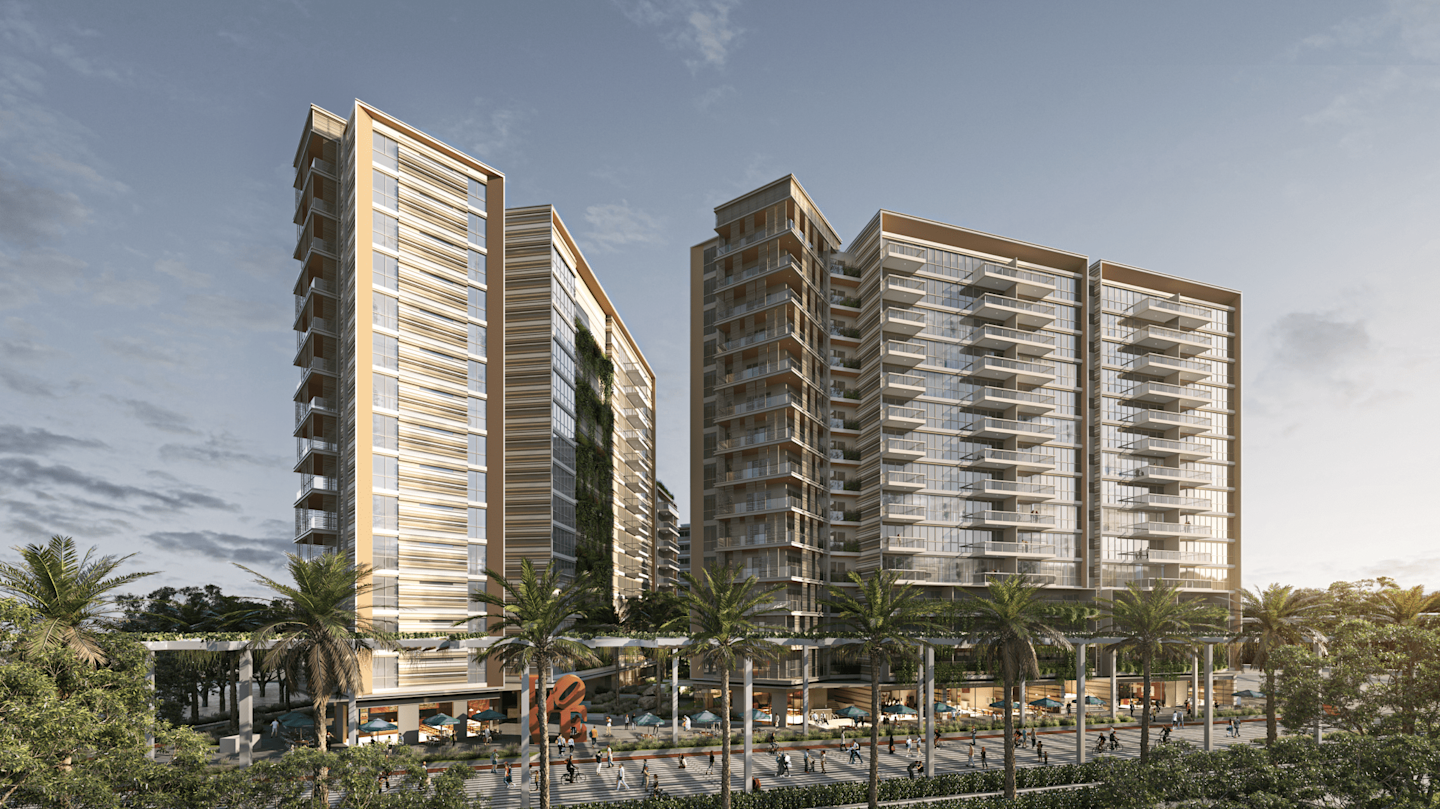
Singapore’s residential market is experiencing a shift driven by changing work patterns and evolving tenant expectations. Remote work, hybrid schedules, and lifestyle-driven decisions are increasingly influencing rental demand and property selection. Developments such as Hudson Place Residences and Dunearn House illustrate how modern properties are responding to these trends, offering environments that meet the needs of both tenants and long-term investors.
The Rise of Work-From-Home Living
The rise of remote and hybrid work has transformed how residents evaluate properties. Homeowners and renters now prioritize spaces that can function as both comfortable living quarters and productive work environments.
Hudson Place Residences has adapted to this demand with flexible unit layouts that allow for dedicated workspaces. Residents can create home offices without sacrificing living or leisure areas, ensuring a balance between professional productivity and personal comfort.
Similarly, Dunearn House caters to work-from-home lifestyles through spacious layouts, communal co-working zones, and quiet surroundings that reduce distractions. These features make the property attractive to professionals who require adaptable and functional living spaces.
Rental Demand Shaped by Lifestyle Needs
As work patterns change, rental demand is increasingly influenced by lifestyle considerations. Tenants are looking for properties that combine accessibility, comfort, and convenience, particularly in areas well-connected to public transport and urban amenities.
Hudson Place Residences benefits from its strategic location near transport nodes and lifestyle hubs, making it appealing to both professionals and small families. Its integrated amenities, including fitness zones, gardens, and communal spaces, support work-life balance, enhancing tenant satisfaction and rental stability.
Dunearn House enjoys a similar advantage, situated in a mature neighborhood with access to schools, shopping, and leisure options. The combination of work-from-home adaptability and lifestyle convenience strengthens its appeal in the rental market.
Flexible Spaces for Long-Term Tenants
Long-term tenancy is often influenced by a property’s ability to accommodate evolving needs. Developments that provide multifunctional areas, sustainable design, and wellness-focused amenities are increasingly preferred.
At Hudson Place Residences, adaptable units allow residents to modify living spaces as needs change—whether for work, study, or recreation. Shared facilities such as co-working lounges, landscaped gardens, and fitness areas create additional value for tenants, encouraging longer stays.
Dunearn House also demonstrates this principle through thoughtfully designed units and neighborhood access. Tenants can seamlessly integrate daily routines, work obligations, and leisure activities, reducing the likelihood of frequent relocations and improving rental yield consistency.
Connectivity as a Key Driver
Accessibility remains a critical factor in both rental demand and work-from-home adaptation. Proximity to public transport, major roadways, and essential services enables residents to maintain mobility while embracing remote work.
Hudson Place Residences and Dunearn House both offer strong connectivity. Residents can commute to city centers, educational institutions, or business hubs when necessary, while enjoying quiet, well-planned residential environments for remote work. This combination of accessibility and convenience supports both lifestyle satisfaction and investment stability.
Market Implications for Investors
For investors, the convergence of work-from-home adaptation and rental trends underscores the importance of strategic property selection. Developments like Hudson Place Residences and Dunearn House illustrate how features catering to modern lifestyles—flexible layouts, wellness amenities, and connectivity—translate into sustained rental demand and stable returns.
The ability to attract tenants who value both work-from-home functionality and lifestyle convenience enhances occupancy rates. Over time, properties that anticipate evolving tenant preferences are likely to retain higher market value, supporting long-term investment strategies.
Conclusion
Singapore’s rental market is evolving in response to changing work patterns, lifestyle expectations, and community priorities. Hudson Place Residences and Dunearn House demonstrate how residential developments can meet these demands through flexible layouts, accessible locations, and wellness-oriented amenities.
By combining work-from-home adaptability with lifestyle convenience, these properties attract a wide range of tenants, from professionals to families. For investors, this approach ensures long-term rental stability and capital appreciation. The integration of modern living trends into property design highlights the future of Singapore’s residential market—one that balances productivity, lifestyle, and investment potential.